Introduction
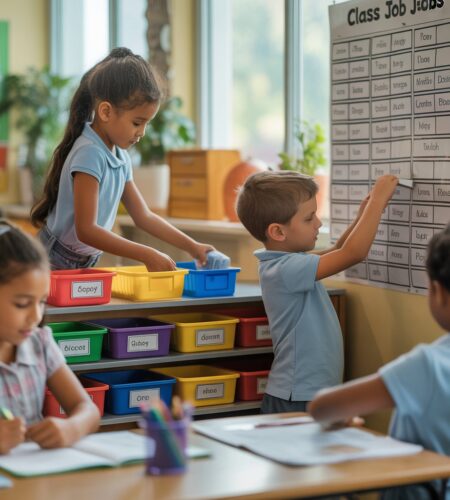
Classroom jobs are a game-changer for both students learning about responsibility and teachers looking for effective ways to organize their classrooms. Students who are actively engaged in their classrooms tend to perform better academically and develop better leadership skills, according to Gallup research. This resource contains everything a teacher needs to know, from why classroom jobs are important to finding 70+ ideas for classroom jobs for all grade levels, and how to implement them.
Why Classroom Jobs Are a Game-Changer for Classrooms: The Benefits That Matter
Research-Proven Impact on Student Development
Classroom jobs are more than just a classroom management strategy; they are an effective means of developing skills that students truly need. Research conducted by Harvard University indicates that students who take on classroom jobs show significant gains in executive functioning, self-regulation, and metacognition. By taking on particular classroom jobs, students develop a sense of responsibility that a lecture can never impart.
More importantly, classroom jobs are perfectly in line with the latest standards of education. They meet the Common Core standards of collaboration and communication and meet the requirements of ESSA regarding student agency and leadership development. The schools that have shown the greatest gains from classroom jobs have seen not only better organization but also improved attendance, reduced referrals for behavior problems, and a greater sense of community.
How Classroom Jobs Address the Social-Emotional Learning Gap
Social-emotional competencies are now part of every state’s education standards. Classroom jobs offer the authentic practice opportunity that these standards demand. By being the Conflict Mediator, the student is directly working on social awareness and relationship-building. By handling materials, they’re building self-management and responsible decision-making. Unlike classroom instruction on SEL, classroom jobs require the student to actually apply these skills in real-world situations with real-world consequences.
Teachers have noticed that students with significant responsibilities are more engaged at school, have better relationships with peers, and better emotional control. It seems to be especially effective for students who are struggling academically but are natural leaders—finally having a way to be seen and appreciated changes their whole experience at school.
Benefits for Teacher Wellbeing and Classroom Management
The bottom line: classroom jobs save teachers a tremendous amount of time. When students are responsible for attendance, passing out materials, organizing supplies, and cleanup, teachers have more time to actually teach and interact with students. This is not administrative time—it’s the difference between rushing through a lesson and having time to really learn.
In addition to the time benefits, teachers who use classroom jobs see fewer incidents of misbehavior, not because the behavior is being cracked down on harder, but because the students are developing internal motivation. Students who feel invested in the classroom will naturally behave better. A student in charge of the supply station will become aware of waste. A student in charge of facilitating discussions will become interested in respectful communication.
Complete Implementation Framework: From Start to Success
Step 1: Assess Your Classroom Needs and Create Your Job List
Begin by taking an honest look at your classroom. Walk through a typical day and make a list of every task that occurs:
Morning Routines: Attendance, lunch counts, attendance reporting, technology setup, whiteboard organization
Transition Tasks: Handling material distribution, collection, and organization between activities
Throughout Day: Restocking supplies, handling small group materials, technology support, handling assignments
Afternoon/Dismissal: Cleanup, classroom organization, preparation for next day, homework collection
Ongoing Responsibilities: Classroom library management, file organization, class calendar management
This exercise will show you that you have 15-30 jobs in your classroom. The point is not to give every student a job, but to provide enough jobs that every student can participate.
Step 2: Write Clear, Specific Job Descriptions
Vague instructions fail. Detailed job descriptions succeed. Each description should include:
Title: Make it engaging. “Supply Manager” vs. “Resource Coordinator” appeals to different age groups.
Daily Responsibilities: Exactly what happens every day? When? How long does it take?
Weekly Tasks: What happens once or twice weekly?
Success Criteria: How do students know they’re doing well?
Qualifications Needed: What skills or characteristics make someone successful?
Training Required: What will you need to teach?
Example Job Description:
Class Communicator
- Daily: Check announcements, deliver messages, update class calendar (5 minutes)
- Weekly: Send parent newsletter, lead classroom reflection circle
- Success looks like: All messages delivered accurately, parents report receiving updates, classmates feel informed
- Best for: Organized students with clear communication skills
- Training needed: How to write clear messages, managing digital tools, facilitation basics
Step 3: Recruit, Apply, or Assign Strategically
Three approaches work depending on your classroom:
Application Approach: Students write applications for roles they want. This builds investment and reveals interests. Best for older students (grades 3+).
Strategic Assignment: Teachers place students in roles that stretch their skills. A shy student becomes Class Communicator to build confidence. Works well with younger students.
Combination: Teachers identify core jobs to assign strategically while offering voluntary positions students pursue. This balances structure with student choice.
Regardless of approach, the conversation matters. Explain why you’re considering someone for a role. Listen to their thoughts. When students understand the purpose, they approach jobs seriously.
Step 4: Teach the Job Thoroughly—This Step Determines Success
Never assume students understand their jobs. Comprehensive training is crucial:
Model and Explain: Demonstrate the job while thinking aloud. Show what good looks like. Describe decision-making: “When the supply station runs low, here’s how I decide what order to request…”
Practice Together: Have the student practice while you’re present. Provide feedback. Let them try again. For complex jobs, training might span several days.
Create Visual Supports: Write down procedures. Take photos showing correct setup. Create quick-reference cards. Laminate and post near work stations.
Use Peer Mentoring: Have last month’s job holder show the new person. This builds community while leveraging peer learning.
Establish Routines: Some teachers create simple songs or rhythms to help students remember procedures.
Step 5: Establish and Maintain Rotation Schedules
Rotation frequency matters:
- Pre-K/Kindergarten: Rotate every 1-2 weeks. Exposure to variety matters more than mastery.
- Elementary (1-5): Rotate weekly. Students experience all jobs during the year, building broad competence.
- Middle School (6-8): Rotate quarterly. Students need time to master roles and see real impact.
- High School (9-12): Semester or year-long assignments. Students develop genuine expertise and influence.
Create a visible rotation chart. Color-code by student or job. Digital options using ClassDojo or Google Sheets reduce management burden while allowing quick updates.
Step 6: Monitor, Celebrate, and Coach Through Challenges
Once jobs begin, ongoing attention determines success:
Observe: Watch how students manage. Are they confident? Struggling? Asking for help appropriately?
Celebrate Publicly: Thank students for work. Recognize contributions in announcements, newsletters, or classroom celebrations.
Coach, Don’t Criticize: When students struggle, have problem-solving conversations rather than criticizing: “The attendance report didn’t get turned in today. What happened? What would help you remember tomorrow?”
Adjust as Needed: If a job isn’t working, modify it. Break complex jobs into smaller pieces. Add engaging elements. Reassign only after genuine problem-solving.
70+ Classroom Jobs Organized by Grade Level
Pre-K and Kindergarten (18 Jobs)
Line Leader, Door Holder, Snack Helper, Weather Observer, Attendance Helper, Flag Leader, Music Player, Plant Care Helper, Light Manager, Book Organizer, Art Supply Manager, Toy Organizer, Story Starter, Helper for Friends, Thank You Counter, Song Selector, Morning Message Helper, Carpet Monitor
Focus: Establishing routines and basic responsibility. Jobs should be simple, obvious, and switched often.
Elementary Grades 1-5 (32 Jobs)
Attendance Manager, Materials Manager, Bulletin Board Designer, Literature Circle Leader, Science Equipment Manager, Technology Manager, Class Journalist, Classroom Librarian, Kindness Detective, Conflict Mediator, Game Manager, Time Keeper, Homework Helper, Photographer, Meeting Facilitator, Math Center Manager, Writing Center Coordinator, Door Greeter, Classroom Accountant, Field Trip Coordinator, Sustainability Officer, Student Greeter, Music Playlist Manager, Art Supply Organizer, Portfolio Manager, Vocabulary Champion, Quiet Reading Monitor, Pet Care Specialist, Substitute Liaison, Special Events Coordinator, Help Request Manager, Literacy Center Manager
Focus: Encourage responsibility while developing academic and social skills. A weekly rotation is effective. Students should have experience in most roles throughout the year.
Middle School Grades 6-8 (20 Jobs)
Debate Facilitator, Project Manager, Peer Tutor Coordinator, Podcast Producer, Research Manager, Assessment Manager, Student Government Representative, Peer Mentor, Service Coordinator, Cultural Events Coordinator, Tech Troubleshooter, Conflict Resolution Specialist, Environmental Monitor, Wellness Advocate, Digital Citizenship Leader, Learning Specialist, Budget Manager, Accessibility Advocate, Innovation Officer, Department Representative
Focus: Provide autonomy and peer recognition. Students desire specialized knowledge. A quarterly rotation allows mastery and effective impact..
High School Grades 9-12 (12+ Jobs)
Department Representative, Service Learning Coordinator, Curriculum Consultant, Research Assistant, Internship Coordinator, Capstone Project Coordinator, Alumni Coordinator, Diversity and Inclusion Officer, Mental Health and Peer Support Liaison, Capstone Defense Coordinator, College and Career Readiness Coordinator, Social Entrepreneur
Focus: Reflect real-world roles. Long-term commitment provides real leadership. Students should have a voice in their roles.
Making Classroom Jobs Work: Solutions to Common Challenges
Dealing with Student Resistance
Students resist jobs. Reframe them positively: “These aren’t extra work—they’re leadership opportunities. Everyone has a role because everyone matters.”
When students resist, listen to them. They may need a simpler job, more choice, or better understanding of value. Offering choice within structure often reignites interest.
Preventing Forgotten Responsibilities
Young students forget. Use visual reminders, written checklists, and peer reminders. Instead of punishment, treat forgetfulness as learning: “What could help you remember? Should we add a checklist? Should we practice again?”
Managing Large Classes
With large classes, get creative. Pair students in shared jobs. Group job families where similar tasks are grouped. Recognize that some jobs can be shared rather than individual. You might rotate only half the jobs each week, fixing key jobs.
Ensuring Substitute Teachers Understand
Write one-page instructions for each job. Assign a responsible student as “Job Coordinator” to explain to substitutes and keep things running smoothly.
Free Resources and Tools for Easy Implementation
Essential Downloadable Templates
- Job Description Template (customizable for your jobs)
- Rotation Tracker Chart (visual assignment display)
- Job Application Form (for choice-based systems)
- Daily Job Checklist (prevent forgotten tasks)
- Student Reflection Sheets (self-assessment of performance)
Recommended Free Digital Tools
ClassDojo (classdojo.com): Track job assignments, send reminders, provide feedback Google Forms: Create applications, daily check-ins, reflection surveys Trello: Card-based job tracking and status management QR Code Generator: Link job descriptions to training videos Google Sheets: Shared rotation trackers with automatic updates Canva: Create visually appealing job charts and celebration posters
Getting Started: Action Plan for Implementation
This Week
- Audit your classroom operations. List 10-15 potential jobs.
- Write descriptions for 3-5 key jobs.
- Identify which students might excel in which roles.
Next Week
- Introduce jobs to students through class discussion about why jobs matter.
- Recruit or assign first round of jobs.
- Provide thorough training. Don’t rush this step.
Following Weeks
- Monitor how students manage. Provide regular feedback and celebration.
- Adjust jobs as needed based on what’s working.
- Plan rotation schedule for upcoming months.
Building Forward
- Expand number of jobs as confidence grows.
- Increase complexity and responsibility gradually.
- Gather student feedback about which jobs are working best.
Conclusion: Transform Your Classroom Through Student Leadership
Classroom jobs embody a belief in student ability. When teachers begin to see students as partners in learning environments, not just as content learners, the whole world changes. Students feel ownership in their school, see classmates as game partners, and truly feel responsible.
The data is conclusive: authentic classroom tasks increase engagement, enhance social skills, foster a sense of belonging, and enhance executive function. The effects are not limited to the classroom.
Find classroom jobs examples to revolutionize your US classroom. Begin with a small step this week. Select one or two jobs to begin. Observe the dramatic difference that occurs when students understand they have value and their efforts are appreciated. Your students are ready to lead. Your classroom is ready for authentic community and shared accountability.
The effects go far beyond classroom organization—to self-perception, to behavior with peers, and to what students believe they can accomplish.